A few words from Pierce
Expert cane and rush furniture restoration advice from a seasoned craftsman.
Discover why repairing your vintage chairs is sustainable, cost-effective, and keeps true craftsmanship alive.
Aylesbury Cane & Rush shares decades of hands-on knowledge for fellow enthusiasts.
More than furniture
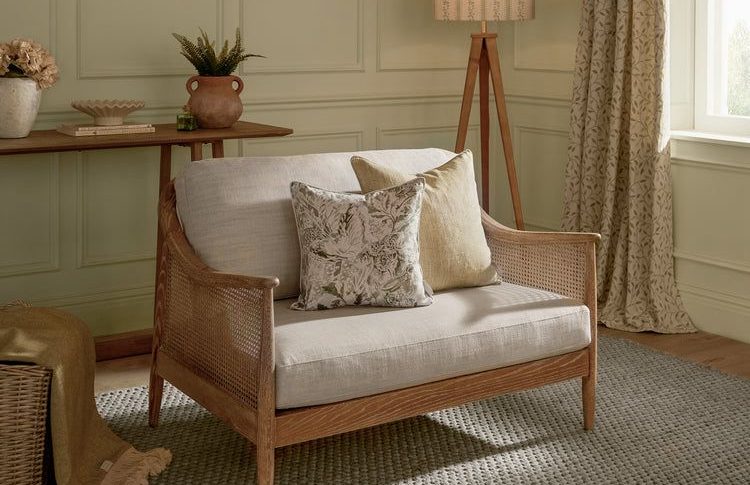
Cane and rush pieces aren’t just something to park your bum on — they’re functional art. The weaving, the hand-tied knots, the natural materials all come together in a dance of form and function. Unlike plastic or cheap composites, these chairs age like a fine whiskey — getting better, stronger, and more characterful over time. When you restore a cane or rush seat, you’re preserving more than wood and fibres — you’re preserving craftsmanship, patience, and pride. That’s why every repair matters.
History, refreshed.
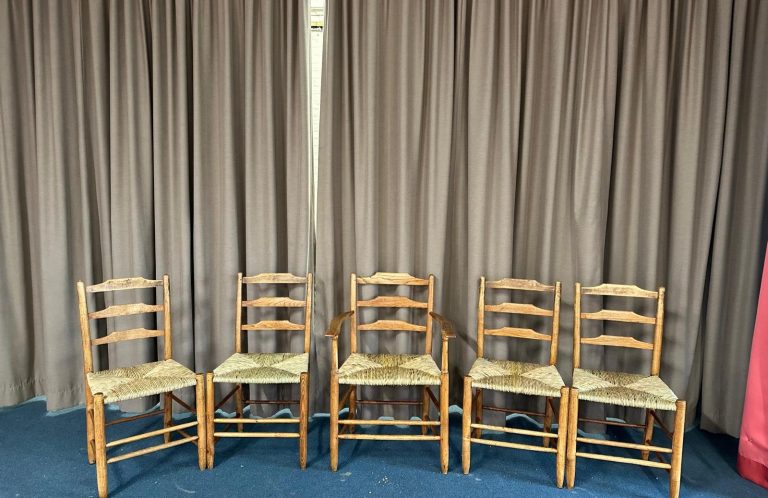
Every cane or rush chair carries a story — a snippet of history you can actually sit on. These seats aren’t just furniture; they’re living history, refreshed each time we restore them. The weaving patterns, the materials, even the slight imperfections tell tales of a time when things were made to last. When you repair instead of toss, you keep those stories alive. You’re not just fixing a chair; you’re bridging generations. So next time you see a battered rush seat, remember: you’re sitting on a bit of history — and with a bit of care, it’ll keep telling its story for decades to come.
A dying art.
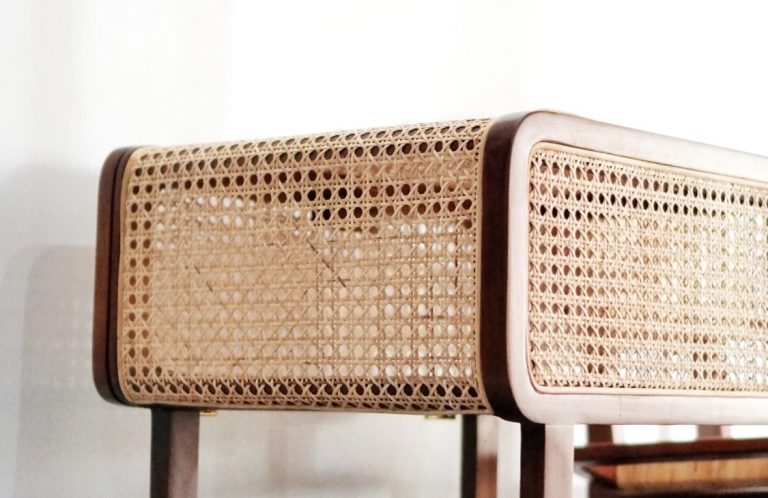
Let’s be honest — cane and rush seating repair is a dying art. The skill takes time, patience, and proper know-how. With fewer craftsmen willing to get hands dirty weaving natural fibres, many chairs end up abandoned or replaced with throwaway junk. But here’s the rub: if the craft dies, so does the quality. At Aylesbury Cane & Rush, we fight that decline every day, keeping tradition alive one weave at a time. Because some things are worth saving.
Preparing materials
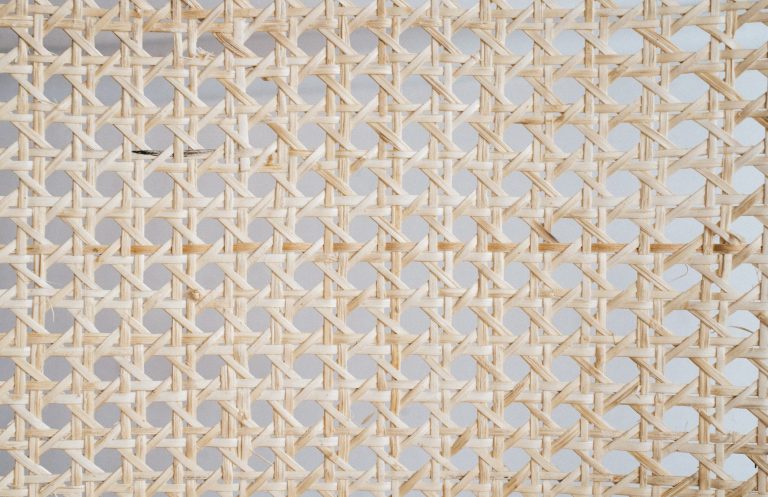
Before you even touch the frame, there’s a whole process behind preparing cane and rush materials. Soaking rush fibres isn’t just a step; it’s a labour of love. Too dry, and the fibres snap; too wet, and they lose strength. Timing, temperature, and technique matter. This prep work is what makes the difference between a seat that lasts five years and one that lasts fifty. It’s slow, it’s skilled, and it’s why restoration is a craft, not a shortcut.
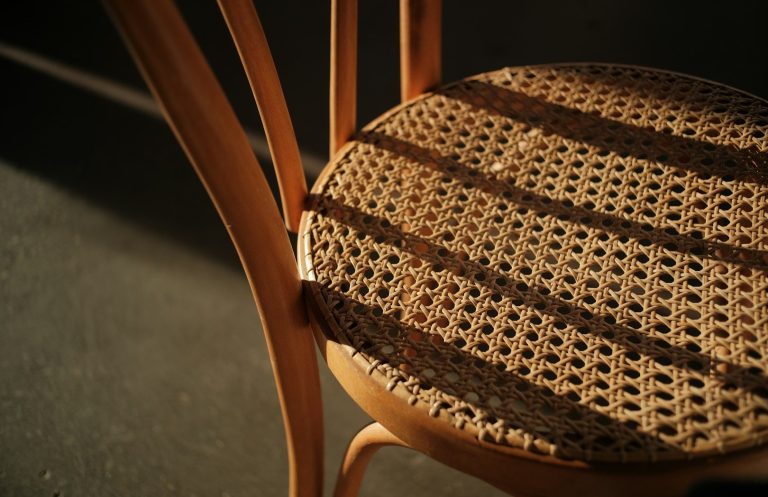
Supporting the hospitaility sector.
The hospitality world leans on cane and rush furniture more than you think. Pubs, cafés, country inns — all rely on sturdy, breathable seating that can take the daily hustle. But those chairs get hammered. When venues call us, it’s not just a repair job — it’s a lifeline. A properly restored rush seat keeps customers comfortable and interiors looking sharp without the hefty cost of new furniture. Plus, it cuts waste, helping businesses meet sustainability goals. A win-win, if you ask me.
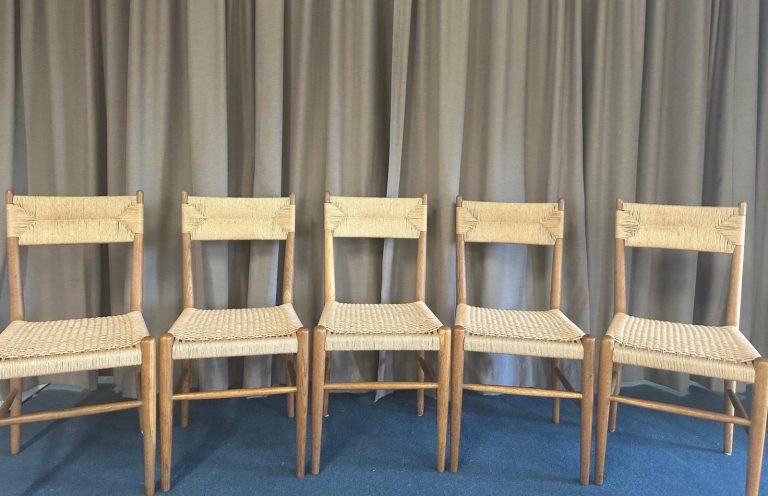
History in your home.
Your cane or rush furniture isn’t just decoration — it’s a piece of history living with you. Maybe it’s a chair passed down generations, or a quirky find from a market. Whatever the story, when you restore it, you invite that history back into daily life. Each repaired weave holds memories, craftsmanship, and a nod to the past — grounding your home in something real. Not just furniture, but history you can touch, sit on, and live with every day.